


Direct Sinus Surgery



Venue
Venue to be announced via email
Introduction to Direct Sinus Surgery
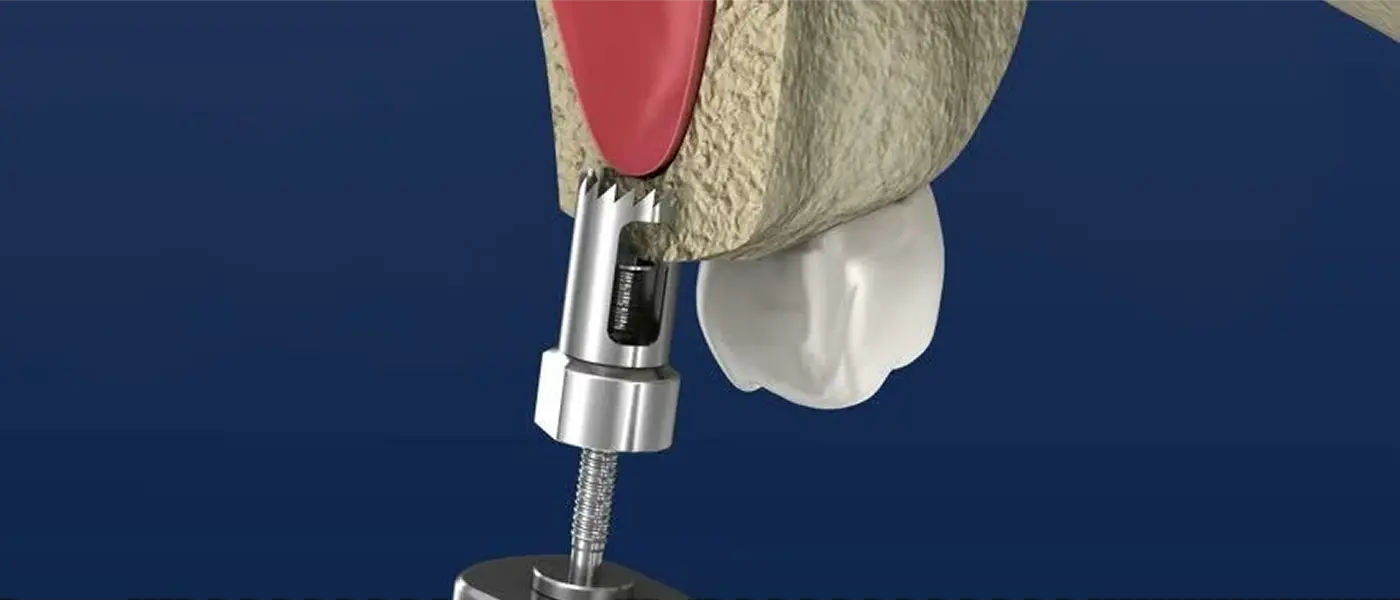
Direct sinus surgery, often referred to as the lateral window sinus lift, is a surgical procedure used to increase vertical bone height in the posterior maxilla by accessing the sinus cavity through a lateral bony window. This approach is ideal in cases with less than 4–5 mm of residual alveolar bone, where a crestal (indirect) lift is not feasible. The technique allows for direct visualization of the Schneiderian membrane, enabling controlled elevation and placement of bone graft material to support future or simultaneous implant placement.
Anatomical and Radiographic Preparation
Duration:
2 Weeks
Payment Break-up:
Surgical Technique – Lateral Window Approach
Duration:
2 Weeks
- Flap design and exposure of the lateral wall
- Osteotomy creation and membrane elevation techniques
- Use of rotary or piezosurgery instruments
Payment Break-up:
Grafting and Implant Placement
Duration:
3 Weeks
- Selection and layering of graft materials
- Criteria for simultaneous vs. delayed implants
- Barrier membrane use and sinus compartmentalization
Payment Break-up:
Postoperative Protocol and Complication Management
Duration:
3 Weeks
- Healing phases and radiographic monitoring
- Managing perforations, sinusitis, and graft exposure
- Antibiotic protocols and patient education
Payment Break-up:

Frequently Asked Questions
When is direct sinus surgery indicated?
It is indicated when posterior maxillary bone height is insufficient (<4–5 mm) for implant placement without augmentation.
What type of bone graft materials are used?
Xenografts, allografts, autografts, or synthetic bone substitutes may be used, often selected based on case-specific needs and surgeon preference.
Is the sinus membrane always lifted intact?
Ideally, yes. However, membrane perforations can occur and should be managed using collagen membranes or PRF to prevent graft loss or sinus complications.
Can implants be placed at the same time?
Simultaneous implant placement may be done if primary stability is achievable, otherwise a staged approach is preferred with 6–9 months of healing before implant placement.
What are the potential risks or complications?
Risks include sinus membrane perforation, infection, graft migration, and sinusitis, but with proper technique and post-op care, these are manageable.


