


Basics of Suturing



Venue
Venue to be announced via email
Introduction to the Art of Suturing in Dentistry
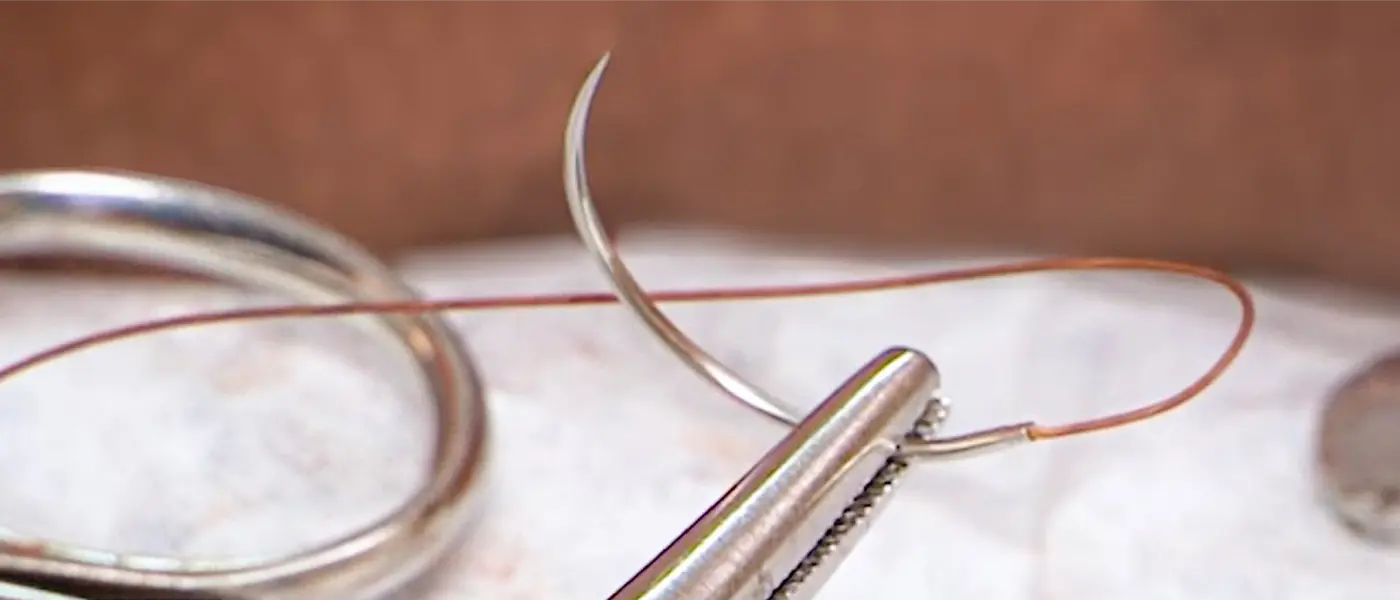
Suturing is more than just closing a wound – it is the art of approximating tissues in a way that promotes optimal healing, minimizes scarring, and maintains surgical site stability. In dental and oral surgical procedures, precise suturing ensures flap adaptation, protects bone grafts or membranes, controls bleeding, and supports esthetic outcomes. Understanding the principles of tension-free closure, needle handling, and suture material selection is essential for any clinician performing surgical interventions.
Suture Materials and Instrumentation
Duration:
2 Weeks
- Absorbable vs. non-absorbable sutures
- Needle types (cutting, reverse-cutting, taper) and sizing
- Instruments: needle holder, tissue forceps, scissors
Payment Break-up:
Techniques of Suturing
Duration:
2 Weeks
- Simple interrupted and continuous sutures
- Mattress (horizontal, vertical) and sling techniques
- Indications for each technique
Payment Break-up:
Surgical Principles and Tissue Handling
Duration:
3 Weeks
- Tissue preservation and atraumatic handling
- Flap repositioning and tension-free closure
- Managing bleeding and swelling at the suture line
Payment Break-up:
Postoperative Management and Suture Removal
Duration:
3 Weeks
- Post-op instructions and hygiene maintenance
- Identifying signs of wound dehiscence or infection
- Timing and technique for suture removal
Payment Break-up:

Frequently Asked Questions
What type of suture material should I use for oral surgeries?
Intraoral procedures often use resorbable sutures (e.g., Vicryl, Chromic gut) to avoid the need for removal, but non-resorbable options (e.g., silk, PTFE) may be preferred for flap security in grafting.
How far apart should sutures be placed?
Sutures are typically spaced 3–5 mm apart, with each bite taken 2–3 mm from the wound edge, depending on the tissue and technique used.
What are the most common suture techniques in dentistry?
Simple interrupted, cross-mattress, sling, horizontal and vertical mattress sutures are frequently used based on the type of surgery and tissue involved.
How tight should a suture be?
Sutures should be snug but not tight—enough to approximate tissue without causing blanching or ischemia, which could impair healing.
When should sutures be removed?
Non-resorbable sutures are usually removed 7–10 days post-op, but this may vary depending on the site and patient factors.


